

Child & Adolescent Therapy
A safe, supportive space where children and young people aged 5-18 can explore their thoughts, feelings and experiences, at their own pace.
Childhood and adolescence can be a wonderful period in our lives but (too) often it becomes a struggle. It is a time of rapid change when family relations, school and friendships all undergo significant upheaval.
Add in the unprecedented pressure of social media and ever-increasing academic demands, and understandably young people, and the families around them, start to buckle under the strain.
I offer a calm space away from these pressures, where we can explore what feels overwhelming, and support your child or teenager in building confidence, resilience and a stronger sense of self.
Areas of support
-
Stress is a normal part of life and can be helpful in providing motivation. However, it can become overwhelming if it exceeds an individual’s capacity to cope and can manifest itself in ways like poor sleep and becoming more irritable.
Anxiety is linked to our natural “fight or flight” response, which helps protect us when we’re under threat. Sometimes this response kicks in even when there isn’t a clear danger, often fuelled by worries about what might happen. This can lead to racing thoughts and physical symptoms such as a fast heartbeat or muscle tension.
Together, we’ll explore what's driving these feelings and develop healthier ways of coping.
-
I take a neuro-affirming approach that recognises autism, dyslexia, ADHD and other forms of neurodiversity as natural differences, rather than deficits or things to be “fixed”. With the right environmental adaptations and psychological support, individuals can thrive in school, work and personal lives.
In our sessions, I focus on the strengths of the individual, support understanding and self-acceptance to lead to better mental health and confidence.
-
Feelings of ‘not good enough’ and placing little value on yourself are familiar to most people, but when they continue to persist over months, years and even decades, these feelings and thoughts can be debilitating.
Invariably linked to early experiences, they can manifest in ways like people-pleasing, perfectionism and comparing oneself to others in unhealthy ways. In our sessions, we will explore these patterns and find ways to break free.
-
Self-harm is the intentional act of hurting or harming oneself as a physical coping mechanism. It can be linked to low self-esteem and can manifest itself in ways like cutting and scratching as well as risky behaviours like disordered eating or substance abuse.
Suicidal ideation involve thoughts or fantasies about ending one’s own life and can exist on a spectrum from passing thoughts to detailed active planning.
Both are responses to deeply personal experiences such as trauma, loss or isolation. In therapy, we will unpack the underlying reasons in a safe, supportive and non-judgemental space.
-
Separation and divorce are hugely significant and unsettling life events for children and young people. Even when it is the right decision for a family, it can bring many changes and adjustments, from new routines and living arrangements to feelings of uncertainty, sadness, anger, or anxiety.
For some children and young people, separation can affect their sense of stability, belonging, and identity as they adjust to a new family dynamic and begin to make sense of what life will look like moving forward. I can help them explore and express their feelings, understand the impact of these changes, and develop ways to cope with the challenges they may be facing in a safe and supportive space.
-
One of the main reasons people seek therapy. At all times in our lives, it can be very hard to form friendships and long term relationships, leading to feelings of isolation. Sometimes, we can also find ourselves repeating patterns in relationships that don’t feel healthy or supportive.
For adolescents, friendships are a vital part of growing up and moving away from the family, but this process can be wrought with anxiety for both the young person and family members. In therapy, we will navigate these transitions together, bringing about a better understanding of the patterns we repeat, helping to break out of these patterns and form new, healthy relationships.
-
For some, school and college can be amazing experiences, but for many others, they can feel overwhelming and a source of ongoing stress and loneliness. Building friendships and finding your place away from the family can be exciting, but it can also bring anxiety and self-doubt.
Academic pressures, particularly around exams, alongside major transitions such as moving from primary to secondary school, can leave young people feeling overwhelmed. Experiences such as bullying, including cyberbullying, can have a profound impact on confidence, self-esteem and sense of identity, often leading to questions like, "Why me?" or "Will this ever stop?"
Therapy offers a safe, supportive and non-judgemental space to explore these experiences, make sense of the feelings beneath them, and develop healthier ways of coping.
-
Losing someone close to you is invariably a painful experience. While a natural part of life, the grief from losing someone who is a key part of our lives, can be overwhelming and unpredictable. The more we have loved someone, be it a close relative, partner, family member, friend or pet, the more it hurts. Others may say it’s time to move on after some (usually too short) unspecified time, but grief doesn’t work like that.
Finding your own way of grieving will help lessen, but not erase, the pain over time. In our time together, we will find and validate how to grieve and, when ready, explore how to continue living with this loss.
-
Stress is a normal part of life and can be helpful in providing motivation. However, it can become overwhelming if it exceeds an individual’s capacity to cope and can manifest itself in ways like poor sleep and becoming more irritable.
Anxiety is linked to our natural “fight or flight” response, which helps protect us when we’re under threat. Sometimes this response kicks in even when there isn’t a clear danger, often fuelled by worries about what might happen. This can lead to racing thoughts and physical symptoms such as a fast heartbeat or muscle tension.
Together, we’ll explore what’s behind these feelings and find healthier, more helpful ways to cope.
-
I take a neuro-affirming approach that recognises autism, dyslexia, ADHD and other forms of neurodiversity as natural differences, rather than deficits or things to be “fixed”. With the right environmental adaptations and psychological support, individuals can thrive in school, work and personal lives.
In our sessions, I focus on the strengths of the individual, support understanding and self-acceptance to lead to better mental health and confidence.
-
Feelings of ‘not good enough’ and placing little value on yourself are familiar to most people, but when they continue to persist over months, years and even decades, these feelings and thoughts can be debilitating.
Invariably linked to early experiences, they can manifest in ways like people-pleasing, perfectionism and comparing oneself to others in unhealthy ways.
In our sessions, we will explore these patterns and find ways to break free.
-
Self-harm is the intentional act of hurting or harming oneself as a physical coping mechanism. It can be linked to low self-esteem and can manifest itself in ways like cutting and scratching as well as risky behaviours like disordered eating or substance abuse.
Suicidal ideation involve thoughts or fantasies about ending one’s own life and can exist on a spectrum from passing thoughts to detailed active planning.
Both are responses to deeply personal experiences such as trauma, loss or isolation. In therapy, we will unpack the underlying reasons in a safe, supportive and non-judgemental space.
-
Separation and divorce are hugely significant and unsettling life events for children and young people. Even when it is the right decision for a family, it can bring many changes and adjustments, from new routines and living arrangements to feelings of uncertainty, sadness, anger, or anxiety.
For some children and young people, separation can affect their sense of stability, belonging, and identity as they adjust to a new family dynamic and begin to make sense of what life will look like moving forward. I can help them explore and express their feelings, understand the impact of these changes, and develop ways to cope with the challenges they may be facing in a safe and supportive space.
-
One of the main reasons people seek therapy. At all times in our lives, it can be very hard to form friendships and long term relationships, leading to feelings of isolation. Sometimes, we can also find ourselves repeating patterns in relationships that don’t feel healthy or supportive.
For adolescents, friendships are a vital part of growing up and moving away from the family, but this process can be wrought with anxiety for both the young person and family members. In therapy, we will navigate these transitions together, bringing about a better understanding of the patterns we repeat, helping to break out of these patterns and form new, healthy relationships.
-
For some, school and college can be amazing experiences, but for many others, they can feel overwhelming and a source of ongoing stress and loneliness. Building friendships and finding your place away from the family can be exciting, but it can also bring anxiety and self-doubt.
Academic pressures, particularly around exams, alongside major transitions such as moving from primary to secondary school, can leave young people feeling overwhelmed. Experiences such as bullying, including cyberbullying, can have a profound impact on confidence, self-esteem and sense of identity, often leading to questions like, "Why me?" or "Will this ever stop?"
Therapy offers a safe, supportive and non-judgemental space to explore these experiences, make sense of the feelings beneath them, and develop healthier ways of coping.
-
Losing someone close to you is invariably a painful experience. While a natural part of life, the grief from losing someone who is a key part of our lives, can be overwhelming and unpredictable. The more we have loved someone, be it a close relative, partner, family member, friend or pet, the more it hurts. Others may say it’s time to move on after some (usually too short) unspecified time, but grief doesn’t work like that.
Finding your own way of grieving will help lessen, but not erase, the pain over time. In our time together, we will find and validate how to grieve and, when ready, explore how to continue living with this loss.
THERAPY FOR CHILDREN AGED 5-11
Working with children
A gentle, play-based approach that meets your child where they are.
Children don’t always have the words to explain how they are feeling. Often, difficult emotions are expressed through behaviour at home or school - angry outbursts, sleep difficulties, withdrawal, school avoidance, or saying they feel unwell.
I don’t expect a child to sit in a chair and talk for 50 minutes. I take a child-centred approach, meaning your child leads the sessions, and together we find meaning in what we do.
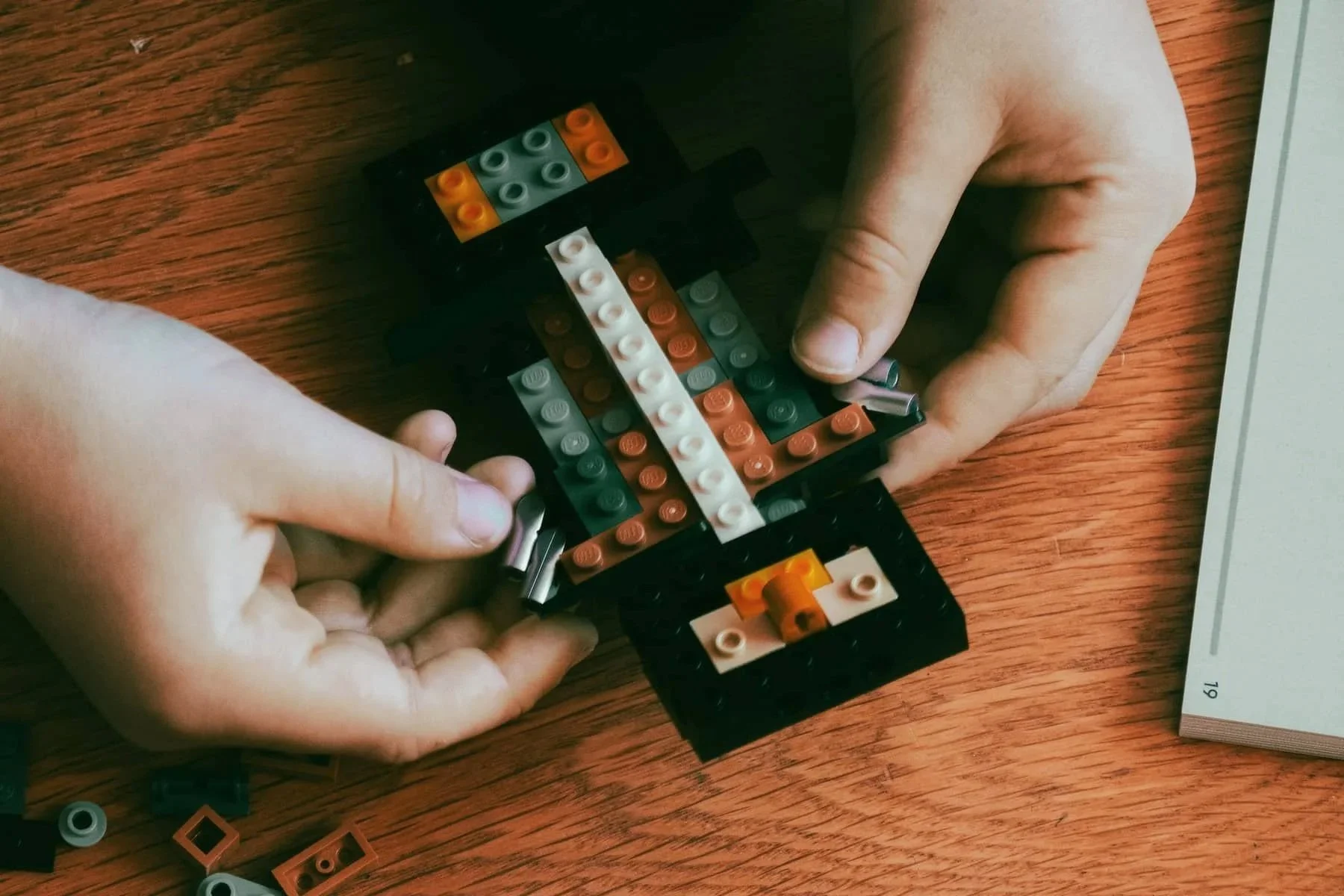
Sessions are flexible and might include drawing, creative activities, storytelling, games or even football. The aim is to offer a safe and accepting space where your child can explore their experiences in ways that feel natural and comfortable to them.
I may draw on psychodynamic and attachment-based thinking, with elements of CBT or other therapeutic approaches where helpful, but always in a way that feels accessible to your child.
Rather than focus on behaviour, we start to see it as communication - a window into the feelings and experiences underneath.
-
Parents and carers are an important part of the therapeutic process. Children spend most of their time with the people who care for them, so I believe it's important that therapy supports the whole family, not just the child attending sessions.
While the weekly sessions are a private space for the child, we'll arrange regular parent review sessions to reflect on progress both within therapy and at home and school. These conversations give us the opportunity to think together about what's working well, any challenges that have emerged and how best to support your child between sessions.
By working collaboratively, we can build a shared understanding of your child's emotional world and create the most supportive environment for their ongoing wellbeing.

THERAPY FOR YOUNG PEOPLE AGED 12-18
Working with adolescents
A confidential space to talk, think and be understood.
Adolescence is a period of enormous change. Young people are navigating increasing independence, changing relationships, academic pressures and questions about identity, all while managing the emotional challenges that can accompany this stage of life.
Understandably, these pressures can show up as anxiety, low mood, self-harm, difficulties with confidence, family conflict or challenges at school.
Therapy offers adolescents a confidential space where they can speak openly without fear of judgement. Many young people feel unsure about therapy at first - especially if they’re used to adults telling them what to do or talking to them as if they are children - so building trust is a key part of the process.
Sessions move at a pace that feels right for them. This might involve talking, but can also include creative work, or exploring interests like music as a way into deeper conversations.
Together, we can explore what may be contributing to current difficulties, strengthen coping strategies and develop a deeper understanding of themselves and their relationships.
-
While you'll remain involved in practical arrangements and ongoing support, sessions themselves are kept confidential unless there are concerns about a young person's safety or safeguarding issues.
I understand that this can sometimes feel difficult for parents and carers. Naturally, you may want to know what is being discussed or how your child is feeling. However, for therapy to be effective, adolescents need to know they have a private space where they can speak openly and develop trust in the therapeutic relationship.
Nevertheless, where useful, review conversations may take place with the young person's consent and involvement, which will help maintain trust while supporting communication between home and therapy.
What to expect from the process
Free 20-minute call
We start with a short call with a parent or carer to talk through what’s been happening, answer any questions and see whether I feel like the right fit.
90-minute consultation
If we decide to move forward, we meet in person to explore background, current challenges and what support may be most helpful. For children, this consultation takes place without your child present. For young people, it may involve the young person, the parent/carer, or both, depending on what has been agreed in advance.
Initial block of weekly sessions
Your child or young person then begins an initial block of weekly 50-minute sessions. This gives us time to build trust, settle into the work and get a clearer sense of what support is needed. Sessions are offered at the same day and time to give your child a consistent and reliable therapeutic space.
Review and next steps
At the end of the initial block, we meet to review how things are going and think about next steps. For children, this review is usually with a parent/carer and myself. For young people, the level of parent/carer involvement will depend on their wishes. Together, we can decide whether to continue, adjust the support or explore other options.

Support for parents
Parenting is hard. And it never gets easier. It just changes what form the hardness takes - from separation anxiety when our little ones go to Reception, all the way through to when they leave full time education.
Reflective Parenting offers a space to reflect on these changes, supporting parents and carers as they navigate these changes in the life cycle.
Support for parents
Parenting is hard. And it never gets easier. It just changes what form the hardness takes - from separation anxiety when our little ones go to Reception, all the way through to when they leave full time education.
Reflective Parenting offers a space to reflect on these changes, supporting parents and carers as they navigate these changes in the life cycle.
Short-term therapy option
Sometimes support is needed for a specific issue, such as exam anxiety, family change or a school transition. In these cases, a structured 12-week therapy programme may be the right fit.
This shorter approach can provide focused support around an agreed goal, while still giving space to explore what’s going on underneath.
Towards the end of the programme, we can review progress and decide whether to end, continue with ongoing sessions, or explore other support options.
During our initial consultation, we can discuss whether short-term or longer-term therapy may be the most appropriate option.
Frequently Asked Questions
Please see the contact page for general questions about fees and appointments or to get in touch with any other queries.
-
Online therapy can be effective for many children and adolescents. Sessions are adapted to suit the age and needs of the young person, using a combination of conversation, creative activities and interactive approaches where appropriate.
Usually, I recommend online therapy only for adolescents as they are very comfortable in digital spaces. I will, however, assess this on a case-by-case basis.
-
Simple and honest explanations are often best. You might explain that therapy is a place where they can talk, play or think about anything that is bothering them, with someone who aims to listen and help.
For some children, it helps to emphasise that there are fun activities to do there while for others I would emphasise that it is a safe space where there are no judgements.
-
This is very common. Many young people feel unsure about therapy initially. Often it can help to present therapy as an opportunity, rather than something they have to do, and that they have total control over what they say or do in the room. I am not there to be on the side of school or parents, but to listen to their perspective. We can discuss ways of approaching the conversation during the consultation.
-
For younger children, there may be occasions where parent involvement is helpful, particularly at the beginning of therapy. However, most sessions are held individually so that your child can build their trust with me.
-
Yes. Confidentiality is a key part of therapy. Information shared within sessions remains private except where there are concerns about safety or safeguarding obligations that require action.
-
It may seem at the beginning that things may get worse at home. This is entirely normal, especially as the young person begins exploring feelings and emotions for perhaps the first time. Beyond that, the young person should begin to open up a bit more and hopefully have fewer outbursts and feel a bit more hopeful about life.
Therapy is not a straightforward process though, so there can be many ups and downs along the way. This is where the parent reviews or Reflective Parenting can be useful alongside the young person’s therapy.
-
Being supportive throughout the process is key while also respecting the boundaries of therapy. It is entirely natural to want to know what has gone on within a session and it is wonderful to show curiosity. I would, however, suggest allowing the child or young person to initiate conversations about how therapy is going. For children, the regular review sessions will be a place to reflect on how things have been going.

Taking the first step
Starting therapy for your child can feel like a big decision.
A free 20-minute consultation gives us an opportunity to discuss your concerns, answer any questions, and explore whether I may be the right fit for your family.